Last Updated: April 16, 2026 · Medically Reviewed by Dr. Marcus Chen, MD
Transdermal delivery is the process of absorbing active compounds through the skin into local tissue and — for some applications — systemic circulation. It is one of the oldest non-invasive delivery methods in medicine: the first modern transdermal patch (scopolamine for motion sickness) was FDA-approved in 1979. Since then, transdermal delivery has been validated for nicotine (smoking cessation), nitroglycerin (cardiovascular), fentanyl (pain), estradiol (hormone therapy), clonidine (hypertension), and dozens of other applications.
The appeal is simple. When you swallow a pill, the compound must survive stomach acid, cross the intestinal wall, pass through the portal vein to the liver, and endure first-pass metabolism before any of it reaches the rest of the body. For many compounds, 90% or more of an oral dose never makes it out of the digestive tract. Transdermal delivery bypasses all of that — and avoids the GI side effects that come with it.
Skin is a barrier, but it is not an impermeable one. The outer layer — the stratum corneum — is made of flattened, dead cells embedded in a matrix of lipids. Small molecules with the right combination of lipid solubility and water solubility can diffuse through this matrix and into the underlying viable epidermis and dermis, where they encounter blood capillaries and enter either local tissue or systemic circulation.
The compounds that transdermal delivery handles best share specific properties: molecular weight under approximately 500 Daltons, moderate lipophilicity (log P between 1 and 3), and therapeutic effect at low doses. Many well-studied botanicals fit this profile. Small carotenoids, catechins, and alkaloids all have molecular structures compatible with skin penetration when formulated appropriately.
There are five distinct advantages to patch delivery, and each one matters differently to different users:
1. Steady release instead of peaks and valleys. A pill delivers a bolus — a spike in blood concentration that then decays. A patch delivers a plateau. For many compounds, the plateau profile is both more effective and better tolerated than the spike profile.
2. No GI exposure. Compounds that irritate the stomach, cause cramping, trigger nausea, or disrupt the gut microbiome never touch the digestive tract. For berberine specifically, this is the single biggest reason people switch from capsules to patches — the GI side effects of oral berberine affect a meaningful percentage of users.
3. Bypass of first-pass liver metabolism. Compounds absorbed via the gut pass through the liver before reaching the rest of the body, where many are partially deactivated. Transdermal compounds reach tissues before hitting the liver, which can increase the effective dose reaching target tissues.
4. Convenience and compliance. A patch is applied once. It does not require remembering to take doses throughout the day. This is not a trivial advantage — the single biggest predictor of whether a supplement produces benefit is whether it is actually taken consistently, and most daily-dose regimens suffer from compliance drift within weeks.
5. Discretion. For people who want to support metabolic health privately, a patch worn under clothing is invisible. There is no pill bottle in the kitchen, no visible routine.
Modern transdermal patches use a multi-layer architecture. The outer layer (backing film) prevents the formula from drying out and protects it from moisture during wear. The middle layer holds the active compounds in a controlled-release matrix — either a reservoir containing a liquid or gel formulation, or a matrix where the compounds are dissolved or dispersed in an adhesive polymer. The skin-contact layer is a medical-grade pressure-sensitive adhesive that must adhere reliably for the wear period without irritating the skin.
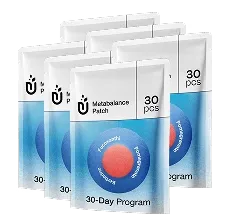
Purisaki Berberine Patches use a three-layer construction: the BreathFlex Comfort Layer (skin-contact base, breathable and low-irritation), the ComfyProtect outer layer (biodegradable protective backing), and the Botanical Core Layer (controlled-release matrix containing the active compounds). The three-layer design balances wear comfort, active ingredient stability, and release kinetics.
Several factors influence transdermal absorption in real-world use. Skin site matters — thinner skin (inner arm, upper back) generally absorbs better than thicker skin (palms, soles). Hydration matters — well-hydrated skin absorbs more than dry skin. Temperature matters — elevated skin temperature increases absorption rate. Damaged or inflamed skin has disrupted barrier function and absorbs differently.
For consistent results, the practical recommendations are: apply to clean, dry skin, use areas with moderate skin thickness (upper arm, shoulder, upper back), rotate sites daily to prevent skin desensitization or irritation, and avoid applying over broken, inflamed, or heavily calloused skin.
Transdermal delivery is not suitable for every compound. Molecules that are too large, too water-soluble, or too lipid-soluble don't cross skin efficiently. Compounds that require very high systemic concentrations may not achieve them through a patch. And while transdermal bypass of GI side effects is a clear advantage, it also means the compound skips any gut-level effects — which may be part of the benefit picture for some botanicals.
The honest caveat for transdermal berberine specifically: the vast majority of berberine clinical trials have used oral dosing. Transdermal berberine is a newer delivery format, and published human trials specific to finished transdermal products are limited compared to the oral evidence base. The underlying science — berberine's AMPK mechanism, GLP-1 effects, insulin sensitization — applies regardless of delivery route, but the finished-product evidence base for patches is smaller than for capsules. This is a trade-off users should understand going in.
Decades of clinical experience with pharmaceutical patches (nicotine, nitroglycerin, estradiol, fentanyl, scopolamine, clonidine) establish that the delivery format itself is generally well-tolerated. The most common side effect across pharmaceutical transdermal products is mild skin irritation at the application site — usually resolved by site rotation. Systemic side effects depend entirely on what is being delivered, not on the patch format.
For transdermal botanical products like Purisaki, skin irritation is the main format-level consideration. If you have sensitive skin or a history of contact dermatitis, start by wearing a patch for a shorter period (2–4 hours) on the first day to check tolerance before moving to the full 8-hour wear.
Transdermal delivery is a validated, well-studied drug and supplement delivery format that offers specific advantages over oral capsules: steady release, no GI exposure, first-pass metabolism bypass, easy compliance, and discretion. For compounds like berberine — where oral tolerability is a real-world limitation — transdermal delivery is not a gimmick; it is a direct solution to the specific problem that keeps the oral form out of many people's routines.
Purisaki Berberine Patches deliver berberine and eight complementary botanicals transdermally — no pills, no digestive side effects, 8 hours of steady metabolic support per patch.
See Purisaki Pricing & Packages