Last Updated: April 16, 2026 · Medically Reviewed by Dr. Marcus Chen, MD
Healthy blood sugar balance means your glucose levels stay within a moderate range across the day — with gentle rises after meals and smooth returns to baseline. The American Diabetes Association considers fasting glucose under 100 mg/dL to be normal, 100–125 mg/dL to be in the prediabetes range, and 126 mg/dL or higher on two separate tests to indicate diabetes. Two-hour post-meal glucose under 140 mg/dL is considered normal; 140–199 mg/dL falls in prediabetes range.
HbA1c — a measure of average blood sugar over the previous three months — is under 5.7% in the healthy range, 5.7% to 6.4% in prediabetes, and 6.5% or higher in diabetes. But these cutoffs are not cliffs. Risk for metabolic health problems rises on a continuum well before diagnostic thresholds are crossed.
The central mechanism is insulin resistance — a state in which your cells stop responding effectively to insulin's signal. Normally, when you eat carbohydrates, blood glucose rises, the pancreas releases insulin, and insulin tells cells (especially muscle and fat cells) to take glucose out of the bloodstream. In insulin resistance, cells ignore the signal. The pancreas compensates by producing more insulin, driving circulating insulin levels up while blood sugar stays high for longer. Over years, this wears out the pancreas, and fasting blood sugar begins to creep up.
Insulin resistance is driven by a combination of genetics, excess body fat (especially visceral fat), low physical activity, poor sleep, chronic stress, and dietary patterns heavy in refined carbohydrates and low in fiber and protein. Age accelerates it — insulin sensitivity tends to decline after age 40 even in people who maintain healthy weight.
Early insulin resistance is often silent. Common signs — when they appear — include afternoon energy crashes (especially after carb-heavy lunches), strong sugar cravings an hour or two after meals, difficulty losing weight despite reasonable effort, increasing waist circumference, feeling "hangry" when meals are delayed, waking up around 3 AM, and low energy generally.
The only way to know for certain is measurement. A fasting blood glucose test, HbA1c, and ideally a fasting insulin level (to calculate HOMA-IR insulin resistance score) provide a real picture. If you have any metabolic concerns, ask your physician to include these in your next blood draw. Home glucose meters are inexpensive and can track post-meal responses if you want finer-grained data.
The research is surprisingly clear about what works. In priority order:
Muscle is the largest glucose-disposal tissue in your body. Strength training builds muscle and increases GLUT4 expression in muscle cells — the same glucose transporters that berberine helps translocate. Even brief resistance training three times weekly produces measurable improvements in insulin sensitivity. A short walk after meals (10–15 minutes) has been shown in multiple studies to blunt post-meal glucose spikes significantly.
The single most impactful dietary change for most people is building meals around protein (20–40g per meal) and vegetables, treating starches as side dishes rather than entrées. Fiber slows gastric emptying and blunts glucose absorption. Protein triggers satiety hormones and requires minimal insulin to process. Together, they transform the metabolic profile of a meal.
A single night of restricted sleep measurably reduces insulin sensitivity the next day. Chronic sleep deprivation pushes cortisol up, disrupts hunger hormones, and drives insulin resistance. Seven to nine hours is the research-backed range for most adults. If you can only change one thing, making sleep non-negotiable produces outsized metabolic returns.
Visceral fat — the fat wrapped around abdominal organs — is metabolically active and drives systemic inflammation and insulin resistance. Modest visceral fat loss (5–10% of body weight) produces disproportionately large improvements in metabolic markers. The combination of strength training, protein-forward eating, and sleep almost always produces visceral fat loss over months.
Berberine is one of the most researched natural compounds for blood sugar support. A 2021 meta-analysis of 46 RCTs demonstrated significant effects on HbA1c, fasting glucose, and HOMA-IR (PMID 34956436). Supplementation works best as a complement to — not a replacement for — the lifestyle foundation. A patch can make consistency trivial.
Ultra-low-fat diets heavy in refined carbohydrates consistently underperform moderate-carb, higher-protein approaches for blood sugar. Artificial sweeteners at high intake may disrupt gut microbiota in ways that affect metabolic markers in some people. Extreme caloric restriction backfires for most people — metabolic adaptation and muscle loss erase the benefits within months.
And — honestly — no supplement, including berberine, fixes a pattern of chronic under-sleeping, stress, and sedentary life. Supplements support well-built foundations. They do not replace them.
Berberine activates AMPK — the cellular energy master switch discussed in our full berberine science review. AMPK activation increases glucose uptake into cells, suppresses liver glucose output, and improves insulin sensitivity. A large 2006 study in Diabetes first demonstrated the mechanism (PMID 16873688), and dozens of subsequent trials have confirmed clinical effects on multiple blood sugar markers.
Thiamine (vitamin B1) — a cofactor for pyruvate dehydrogenase, the enzyme that turns glucose into cellular energy — is often depleted in people with blood sugar issues (PMID 19259609). Vitamin C supports antioxidant defenses that protect metabolic tissues (PMID 28529697). Purisaki pairs berberine with these cofactors specifically because the body needs the supporting machinery to benefit from berberine's effects.
Blood sugar balance is a lifestyle outcome, not a single-intervention outcome. The most effective plan: protein-forward meals with vegetables as the primary carbohydrate source, resistance training two to three times weekly with daily walking, 7–9 hours of sleep nightly, stress-management practice, and targeted supplementation to support the underlying metabolic machinery. Purisaki Berberine Patches are designed to plug into that lifestyle foundation as a consistent, easy-to-use source of berberine and supporting compounds.
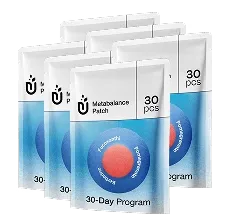
Purisaki Berberine Patches deliver berberine and eight complementary botanicals transdermally — no pills, no digestive side effects, 8 hours of steady metabolic support per patch.
See Purisaki Pricing & Packages