Last Updated: April 16, 2026 · Medically Reviewed by Dr. Marcus Chen, MD
AMPK Activator · Blood Sugar Support · Insulin Sensitivity · GLP-1 Pathway
Berberine is the headline compound in Purisaki. It is a naturally occurring isoquinoline alkaloid found in plants including barberry (Berberis vulgaris), goldenseal, Oregon grape, and Chinese goldthread (Coptis chinensis). Berberine has been used in Traditional Chinese Medicine for over 2,500 years and is one of the most extensively studied botanical compounds in modern metabolic research. A foundational 2006 Diabetes study first demonstrated berberine's mechanism: activation of AMP-activated protein kinase (AMPK), the cellular master regulator of energy balance (PMID 16873688).
AMPK activation has downstream effects on glucose uptake (via GLUT4 translocation in muscle cells), hepatic gluconeogenesis suppression, and lipid metabolism. A 2021 meta-analysis of 46 randomized controlled trials found berberine significantly reduced HbA1c, fasting plasma glucose, 2-hour postprandial glucose, fasting insulin, HOMA-IR insulin resistance, and BMI while improving lipid profiles (PMID 34956436). In Purisaki, berberine is delivered transdermally to bypass the gastrointestinal side effects that affect a meaningful percentage of oral berberine users.
Recent research also shows berberine indirectly supports the GLP-1 signaling pathway — the same hunger-regulation system modern metabolic medications target. This is why users often notice appetite and craving changes within the first 1–2 weeks, even before any weight-scale movement.
UCP1 Thermogenesis · Brown Seaweed Carotenoid · Fat Oxidation · Antioxidant
Fucoxanthin is a marine carotenoid naturally present in edible brown seaweeds such as wakame (Undaria pinnatifida), kombu, and hijiki. Its characteristic orange-brown pigment masks the chlorophyll in brown algae. Structurally, fucoxanthin is unique among carotenoids because of its unusual allenic bond and 5,6-monoepoxide configuration, which enables distinctive biological activity not found in other dietary carotenoids.
Fucoxanthin's best-documented metabolic mechanism is induction of uncoupling protein 1 (UCP1) in white adipose tissue. UCP1 is normally expressed only in brown fat and drives thermogenesis — burning calories as heat. A landmark 2005 study demonstrated that fucoxanthin upregulates UCP1 in the white adipose tissue of mice, reducing abdominal fat mass (PMID 15896707). Clinical research in obese women has shown that fucoxanthin combined with pomegranate seed oil produced significant body weight and liver fat reductions over 16 weeks.
Fucoxanthin and pomegranate oil are the exact pairing studied in that clinical research — and they are paired in Purisaki for the same reason. Fucoxanthin adds a fat-burning mechanism that is complementary to berberine's AMPK and insulin-sensitivity effects, giving the formula two independent metabolic pathways.
Omega-5 Fatty Acid · Antioxidant · Anti-Inflammatory · Fucoxanthin Synergy
Pomegranate seed oil is rich in punicic acid, a conjugated omega-5 polyunsaturated fatty acid that is rare in the human diet. Punicic acid is a potent antioxidant and anti-inflammatory compound with documented effects on lipid metabolism and cardiovascular markers. Its pairing with fucoxanthin in Purisaki is not arbitrary — the two were studied together in the clinical research that first demonstrated fucoxanthin's body-weight and liver-fat effects in humans (PMID 20673041).
Beyond the fucoxanthin synergy, punicic acid contributes independently to metabolic health. Research suggests it may activate PPAR-α and PPAR-γ pathways — nuclear receptors that regulate fat metabolism and insulin sensitivity. Pomegranate oil also delivers powerful antioxidant protection against oxidative stress, which drives low-grade inflammation and contributes to insulin resistance over time.
In Purisaki, pomegranate oil serves double duty: it amplifies fucoxanthin's fat-burning effect and provides independent antioxidant and anti-inflammatory support that protects the metabolic tissues the rest of the formula is trying to optimize.
Thermogenic · Fat Oxidation · Polyphenol Antioxidant · Insulin Signaling Support
Green tea extract in Purisaki is standardized for its polyphenol content — particularly epigallocatechin gallate (EGCG), the most studied catechin in Camellia sinensis. EGCG is one of the few dietary compounds with consistently documented effects on both fat oxidation and metabolic rate, which is why it features in the majority of evidence-based weight-management formulations.
A 2009 meta-analysis published in the International Journal of Obesity examined catechin-rich green tea interventions and found modest but consistent reductions in body weight, body fat, and waist circumference (PMID 19597519). The mechanism is a combination of inhibited catechol-O-methyltransferase (which extends norepinephrine's thermogenic effect) and direct stimulation of fatty acid oxidation in muscle tissue.
In Purisaki, the green tea extract is specifically positioned to work without the caffeine jitter. The transdermal delivery and the formulation choice emphasize catechins rather than caffeine, giving steady thermogenic support without sleep disruption or anxiety spikes. This is what makes the patch suitable for all-day wear and for people who cannot tolerate stimulants.
Leptin Sensitivity · Appetite Regulation · Cholesterol Support · Fiber Matrix
African mango (Irvingia gabonensis) seed extract has a focused research base in appetite regulation and lipid metabolism. The primary mechanism studied involves leptin sensitivity — leptin is the hormone that signals satiety to the brain, and leptin resistance is a recognized driver of persistent hunger and weight gain. A 2009 randomized controlled trial published in Lipids in Health and Disease found Irvingia gabonensis extract significantly reduced body weight, waist circumference, LDL cholesterol, and fasting glucose over 10 weeks (PMID 19254366).
The appetite-regulating effect is what users of Purisaki most frequently describe in reviews — fewer between-meal cravings, earlier fullness at meals, and notably reduced evening sugar urges. This aligns with the leptin-sensitivity literature: when the brain receives accurate satiety signals, hunger stops overriding conscious eating decisions.
African mango's appetite effect is complementary to berberine's GLP-1 support. Berberine works on the glucose-stimulated satiety axis; African mango works on the leptin axis. Targeting two different hunger-regulation pathways simultaneously is a more complete approach than either alone.
Antioxidant · Collagen Support · Insulin Sensitivity Co-factor
Vitamin C supports mitochondrial energy production and protects metabolic tissues from oxidative damage — a factor tightly linked to insulin resistance. Research suggests that vitamin C status correlates with insulin sensitivity, and supplementation has been associated with modest improvements in fasting glucose in metabolically at-risk adults (PMID 28529697). In Purisaki, vitamin C acts as an antioxidant co-factor that protects the other botanicals from oxidative degradation and supports the cellular machinery they depend on.
Glucose Metabolism · Nerve Function · Pyruvate Dehydrogenase Cofactor
Thiamine is the essential cofactor for pyruvate dehydrogenase — the enzyme that converts glucose into cellular energy (ATP) via the citric acid cycle. People with elevated blood glucose often have lower circulating thiamine levels, and thiamine supplementation has been studied for its role in supporting glucose metabolism in metabolically stressed individuals (PMID 19259609). B1 in Purisaki supports the body's ability to actually use the glucose that berberine helps move into cells, closing the loop on the metabolic cascade.
NAD+ Precursor · Lipid Metabolism · Cellular Energy
Niacin is a precursor to NAD+ and NADP+, the coenzymes central to every cellular energy reaction in the body. Niacin has a documented effect on lipid profiles and is one of the few naturally occurring compounds shown to raise HDL cholesterol while lowering triglycerides (PMID 19913070). In Purisaki, B3 supplies the NAD+ that mitochondria need to actually perform the fat oxidation that fucoxanthin and green tea catechins are signaling for.
No caffeine. No synthetic stimulants. No artificial colors. No artificial flavors. No preservatives. No GMO ingredients. No gluten. No dairy. No soy. No fillers. Vegan. Odorless. Non-invasive transdermal delivery — no pills, no powders, no shakes. Designed for people who cannot tolerate oral berberine or stimulant-based weight-loss products.
The Purisaki formula is built around three distinct metabolic pathways, not one. Berberine activates AMPK and supports insulin sensitivity. Fucoxanthin plus pomegranate oil triggers UCP1-mediated thermogenesis. Green tea catechins add fat oxidation. African mango regulates leptin-mediated appetite. B-vitamins supply the cofactors these pathways need to function. Vitamin C protects the whole system from oxidative degradation. Targeting multiple pathways simultaneously is why users describe the effect as "steady" rather than "jumpy" — and why the 8-hour transdermal delivery matters.
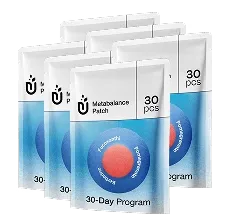
Each Purisaki patch uses a three-layer construction. The BreathFlex Comfort Layer is the skin-contact base, designed to breathe and adhere without irritation over 8 hours. The ComfyProtect outer layer is biodegradable and protects the formula from moisture and oxidation during wear. The Botanical Core Layer holds the active ingredients in a controlled-release matrix that delivers them steadily across the wear period — no spikes, no dropouts.
Purisaki Berberine Patches are manufactured by UAB BeWell EU (Vilnius, Lithuania — registration 305788600) with fulfillment operations that serve customers in the US, UK, Canada, Germany, France, Australia, India, and more. The finished product is sold exclusively through the official website to prevent counterfeits. Customer support: +1 (850) 389-0125 (US) or support@purisaki.com. US returns: QuickBox Fulfillment, 415 Hamburg Turnpike, Building B, Wayne, NJ 07470.