Last Updated: April 16, 2026 · Medically Reviewed by Dr. Marcus Chen, MD
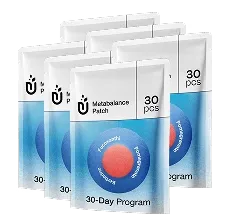
Purisaki takes a transdermal-delivery, multi-pathway approach to metabolic support. Instead of one compound at an aggressive oral dose, it combines berberine (AMPK activation), fucoxanthin + pomegranate oil (UCP1 thermogenesis), green tea EGCG (fat oxidation), and African mango (leptin sensitivity) in a patch that releases them steadily over 8 hours. This avoids both the GI side effects of oral berberine and the stimulant load of pill-based weight loss products.
Oral berberine has a stronger clinical evidence base as a finished product — most published RCTs studied capsules at 500 mg three times daily. However, oral berberine has two well-documented problems: low bioavailability (1%–5%) and frequent GI side effects (cramping, diarrhea, nausea) that cause many users to discontinue within two weeks. Purisaki's transdermal delivery trades some of the evidence base for tolerability. If oral berberine wrecked your stomach, the patch is worth trying. If oral berberine worked for you without side effects, you may not need the patch.
GLP-1 receptor agonists are prescription injectable medications that directly activate GLP-1 receptors, typically producing meaningful weight loss but requiring medical supervision, weekly injections, and often costing $900–$1,500 per month without insurance. Common side effects include nausea, vomiting, and pancreatitis risk. Purisaki is a supplement, not a medication — it supports GLP-1 pathways indirectly through berberine but does not match the pharmacological effect. It is appropriate for people not ready for or not candidates for GLP-1 drugs, or for those looking for complementary support alongside lifestyle changes.
Most over-the-counter weight loss products rely on caffeine, synephrine (bitter orange), or yohimbine for a thermogenic effect. These deliver an energy spike but commonly cause anxiety, heart-rate elevation, insomnia, and rebound crashes. Purisaki deliberately excludes stimulants. The thermogenic effect comes from fucoxanthin's UCP1 activation and green tea catechins' fat oxidation — neither of which is stimulant-driven. This makes Purisaki appropriate for all-day wear, for people with caffeine sensitivity, and for those who need to sleep normally.
Many weight loss supplements pack 15–25 ingredients at trace doses — a marketing strategy that produces impressive label copy but delivers sub-therapeutic amounts of anything. Purisaki takes a focused approach: nine ingredients targeting three distinct pathways (insulin sensitivity, thermogenesis, appetite regulation). Each ingredient is included at a level consistent with its published research, not sprinkled in for label purposes.
| Feature | Purisaki Patches | Oral Berberine | GLP-1 Rx Drugs | Stim-Based Pills |
|---|---|---|---|---|
| Delivery | Transdermal 8hr | Capsule 3x/day | Weekly injection | Capsule 2-3x/day |
| Active Mechanism | AMPK + UCP1 + GLP-1 | AMPK | Direct GLP-1 agonist | Caffeine thermogenesis |
| Prescription | No | No | Required | No |
| GI side effects | Bypassed | Common | Frequent | Occasional |
| Jitters / stimulants | None | None | None | Common |
| Evidence base | Ingredient-level | Strong RCT | Strong RCT | Mixed |
| Daily effort | 10 seconds | 3x timing | Weekly self-inject | Multiple doses |
| Cost per month | $15.99–$34.99 | $20–$50 | $900–$1,500 | $30–$80 |
| Guarantee | 60 Days | Varies | N/A | Varies |
Pick Purisaki Berberine Patches if: you want berberine's metabolic benefits without digestive side effects, you value convenience (one daily application vs. three-times-daily capsule timing), you cannot tolerate stimulants, or you are looking for steady natural support alongside lifestyle changes.
Pick oral berberine capsules if: you tolerate them without stomach issues, you want the strongest evidence base as a finished product, and you don't mind three-times-daily dosing with meals.
Pick GLP-1 medications if: you have significant weight to lose, you qualify medically, you can afford the cost or have insurance coverage, and you are comfortable with weekly injections and medical monitoring. These are the most effective option but require a healthcare provider.